



Moving a vehicle from one location to another might seem straightforward, but the costs involved can vary significantly. Whether you’re relocating for work, purchasing a car from another state, or sending a vehicle to a family member, knowing what influences transportation prices can help you plan your budget effectively.
From travel distance to seasonal demand, several factors determine how much you’ll pay for professional vehicle transportation, so what are they?
Distance Plays a Major Role in Pricing
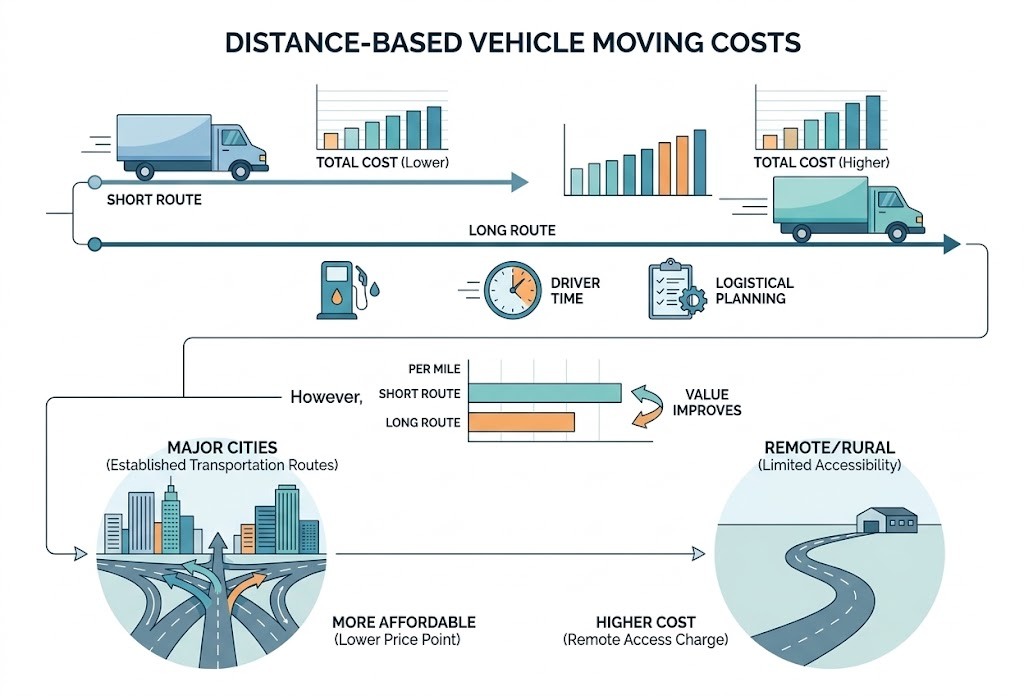
One of the biggest factors affecting vehicle moving costs is the distance between pickup and delivery locations. Generally, longer journeys cost more overall because they require additional fuel, driver time, and logistical planning.
However, the cost per mile often decreases for longer routes. Transporting a car across several states may offer better value per mile than moving it a relatively short distance.
Location accessibility also matters. Deliveries between major cities with established transportation routes are often more affordable than those involving remote or rural destinations.
Seasonal Demand Can Influence Your Quote
Like many transportation services, vehicle shipping experiences fluctuations in demand throughout the year.
Summer is often a busy period because families relocate, students move, and people take advantage of favorable weather conditions. Increased demand can lead to higher prices, especially along popular routes.
Seasonal migration also influences transportation costs. For example, routes connecting northern states with warmer destinations may become particularly busy during certain months.
Booking early and remaining flexible with collection dates can help you secure more competitive rates.
Vehicle Size and Weight Matter
Not all vehicles cost the same amount to transport. Larger and heavier vehicles occupy more space on carriers and may require additional handling.
A compact sedan typically costs less to ship than a large SUV, pickup truck, or oversized vehicle.
Modified vehicles can also affect pricing, particularly when lowered suspensions, unusual dimensions, or additional equipment require specialized loading arrangements.
Providing accurate vehicle details when requesting quotes helps transportation companies calculate realistic prices and avoid unexpected adjustments.
Delivery Options Affect the Final Price
The transportation method you choose can significantly influence your overall expenses.
Open carrier transportation is generally the most economical option. Vehicles travel on trailers alongside other cars, making it a practical choice for everyday transportation needs.
Enclosed carriers offer additional protection from road debris and weather exposure but usually cost more.
Pickup and delivery arrangements also matter. Door-to-door services provide convenience, while terminal-based options may offer savings where available.
For example, individuals looking to transport cars to Austin can compare different carrier options, delivery arrangements, and scheduling possibilities before making a decision.
Flexibility Can Help Reduce Expenses
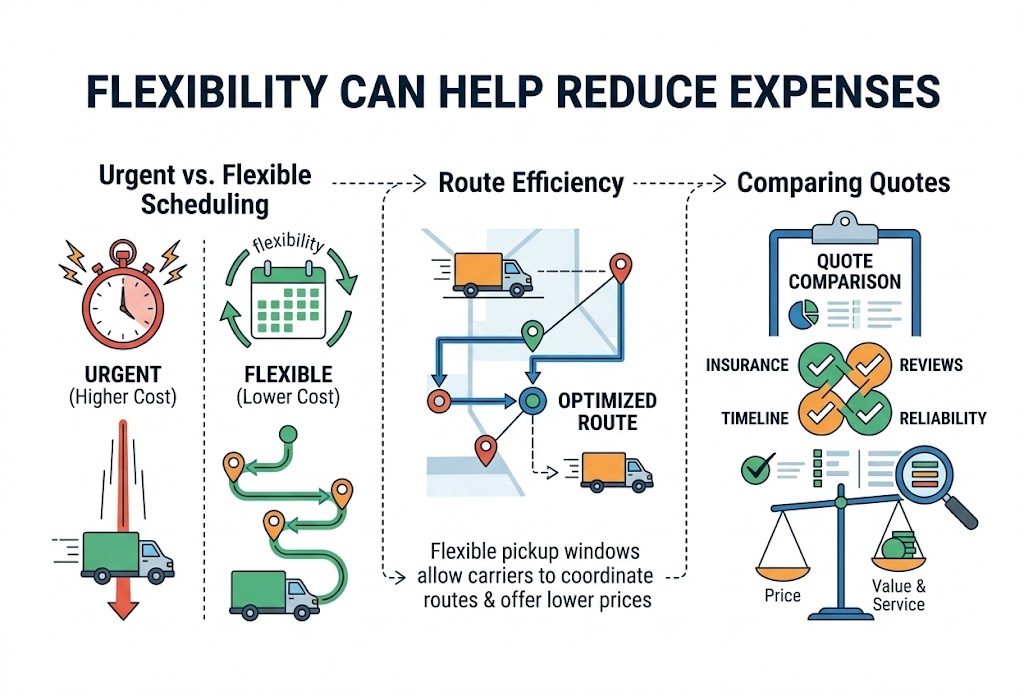
Your preferred transportation schedule can affect the final quote. Urgent shipments often cost more because carriers must accommodate tighter deadlines.
Flexible pickup windows allow transportation providers to coordinate routes more efficiently and potentially offer lower prices.
Comparing multiple quotes is equally important. Rather than automatically choosing the cheapest offer, consider insurance coverage, customer reviews, delivery estimates, and service reliability.
Making a Cost-Effective Decision
Vehicle moving costs depend on several interconnected factors, including distance, demand, vehicle specifications, and delivery preferences.
Understanding these elements makes it easier to identify reasonable quotes and avoid unnecessary expenses.
With thoughtful planning, flexible scheduling, and careful carrier selection, transporting a vehicle can become a more predictable, affordable, and manageable part of your relocation journey.