


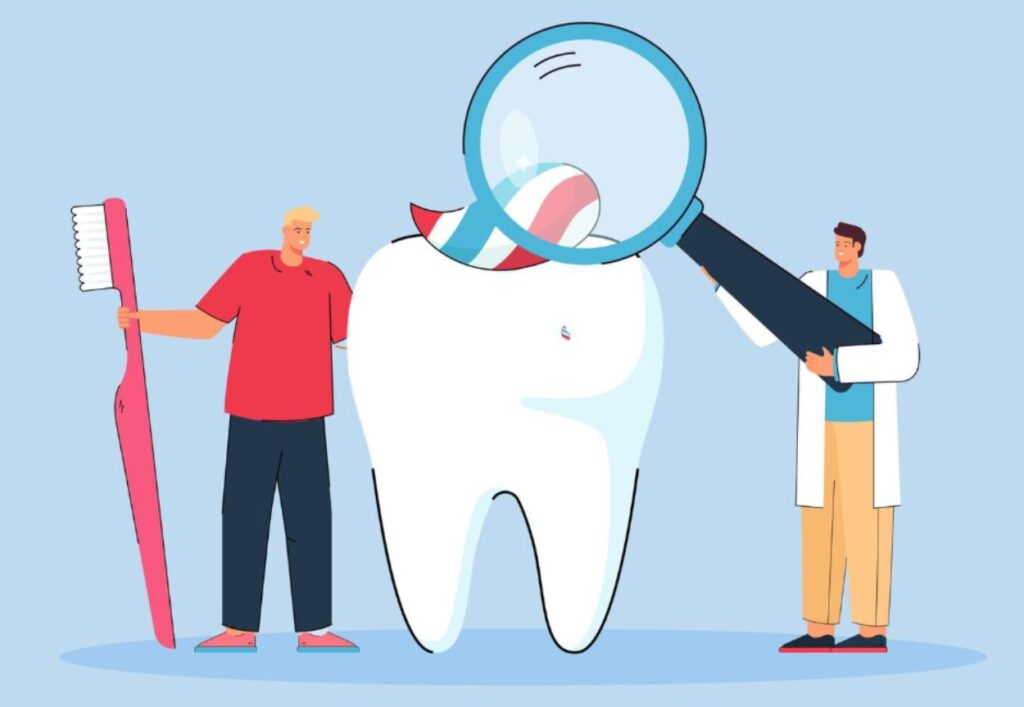
Preventive examinations can help identify changes in the teeth and gums before treatment becomes more extensive. Cleanings remove plaque and tartar, and restorative care addresses teeth affected by decay or damage. An affordable dentist may provide several forms of treatment within one practice, whether for a new or existing patient. Alongside professional care, the American Dental Association’s recommendations for healthy teeth and gums outline the daily habits that support what happens in the dental chair. Here are some of the dental services they offer and the specific oral health needs they address:
Offer Preventive Care
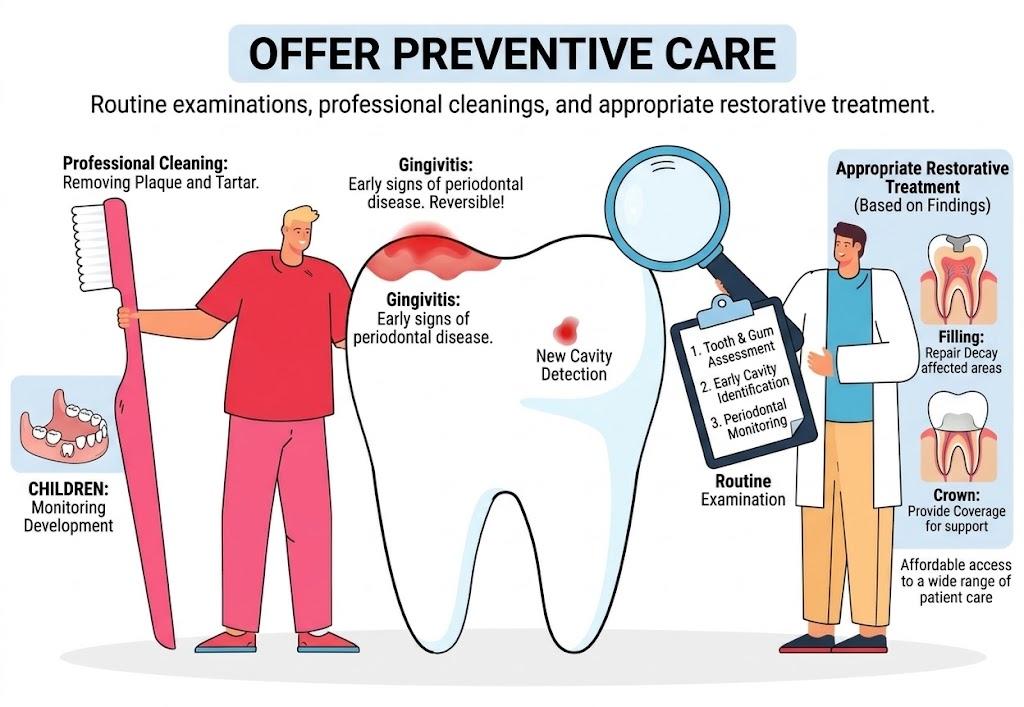
Routine examinations allow a dentist to assess tooth and gum health during regular appointments. Professional cleanings remove plaque and tartar that brushing alone does not eliminate, while examinations identify areas requiring further attention. Regular monitoring also gives the dental team information about changes that develop between appointments; this includes new cavities or early signs of periodontal disease, which can often be reversed when identified at the gingivitis stage.
Some restorative treatments address and protect teeth affected by cavities or structural damage. Fillings repair areas impacted by decay, and crowns provide coverage for teeth requiring more support. The appropriate treatment depends on the condition identified during an examination. An affordable dentist offers services for a wide range of patients, giving them access to the care they need to maintain a healthy smile.
Preventive care changes according to age and dental development. Children require monitoring as their teeth develop, while adults may need continued assessment of existing restorations. Regular examinations provide opportunities to identify new areas of concern or dental wear, and a dentist is able to address these issues through appropriate treatment.
Restore Missing Teeth
Missing teeth create gaps in the mouth, which can affect both appearance and function. Dental implants are one option for restoring the ability to chew and speak comfortably. Treatment begins with an evaluation of the surrounding oral structures, and proper planning establishes whether implant treatment suits the individual’s dental condition and overall oral health.
Implants replace the visible tooth while also addressing the root area beneath it; this provides a stable foundation for a replacement tooth. Because the bone must heal tightly around the post, dental implant surgery is usually completed in stages over several months rather than in a single visit. A consultation offers information about the missing tooth and surrounding structures, including the condition of the supporting bone and gums. Treatment planning determines the appropriate approach, which may involve additional procedures when needed.
Enhance Tooth Alignment
Orthodontic treatment addresses tooth positioning and bite relationships through controlled movement. Traditional braces use brackets and wires, while clear aligners provide a removable option for selected cases. Neither appliance is inherently better than the other, and comparing braces with clear aligners shows that the right choice depends on the diagnosis and the movements each case requires. Treatment planning varies according to the alignment concerns identified during an orthodontic evaluation. Here are some conditions that can lead to orthodontic treatment:
- Crowding: Teeth have limited space for proper positioning.
- Spacing: Gaps occur between individual teeth.
- Bite concerns: Upper and lower teeth do not align properly.
Alignment treatment can also address functional concerns when tooth positioning affects the ability to maintain proper oral hygiene. A customized plan establishes the sequence of movement based on the individual’s orthodontic findings. The goal is to achieve an ideal bite for optimal oral and overall health, and proper treatment can make brushing and flossing easier.
Treat Tooth Pulp
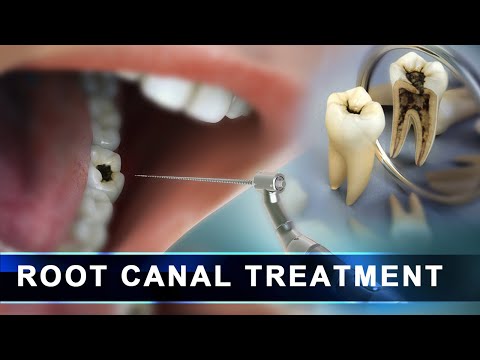
Some treatments focus on the pulp and other structures inside a tooth. Root canal treatment removes infected or damaged pulp, and it treats the resulting internal space. Preserving the natural tooth remains a treatment goal when its condition permits restoration. The procedure typically involves removing the pulp, cleaning and shaping the root canal space, and then filling and sealing it.
Choose An Affordable Dentist
Understanding available dental services helps connect specific oral health concerns with appropriate treatment. A practice offering general and specialty services provides access to different forms of care within one dental setting; this enhances convenience. An affordable dentist may provide preventive, restorative, orthodontic, and periodontal services based on individual treatment needs. Contact a dental office to discuss which service suits your current dental concern.
Conclusion
Access to preventive, restorative, orthodontic, and specialized dental services can help address a wide range of oral health needs. Regular examinations allow concerns to be identified earlier, while personalized treatment plans can support healthy teeth, gums, and overall oral function. Discussing your symptoms and dental history with a qualified dentist can help determine which treatment options are appropriate for you.
Disclaimer
This article is intended for general informational purposes only and does not constitute medical or dental advice. Dental conditions and treatment needs vary from person to person. Always consult a qualified dental professional for an examination, diagnosis, and personalized treatment recommendations.