


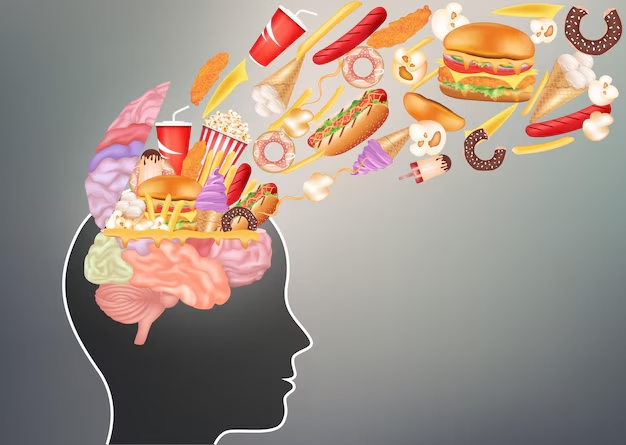
Maintaining good brain health is essential for focus, memory, and overall cognitive function. While many people rely on supplements or expensive products, research shows that a balanced diet rich in certain foods can naturally support brain performance and protect long-term memory. Eating the right foods consistently can make a real difference to concentration, mental energy, and overall brain health.
Include Fatty Fish for Omega-3s
Fatty fish such as salmon, mackerel, sardines, and trout are excellent sources of omega-3 fatty acids, which are crucial for brain function.
- Omega-3s help build brain cell membranes and support communication between neurons.
- Studies suggest they can reduce the risk of cognitive decline with age.
- Aim to include at least two servings of fatty fish per week.
If fish is not an option, plant-based sources such as chia seeds, flaxseeds, and walnuts provide some omega-3s, though in a slightly different form.
Eat Plenty of Berries for Antioxidants
Berries, including blueberries, strawberries, and blackberries, are packed with antioxidants, particularly flavonoids. These compounds help protect brain cells from oxidative stress.
- Antioxidants can improve memory and delay brain ageing.
- Blueberries are linked to improved learning and motor skills in several studies.
- Adding berries to breakfasts, smoothies, or snacks is an easy and tasty way to support cognition.
Frozen berries are just as nutritious as fresh ones and are often more affordable.
Incorporate Leafy Green Vegetables
Leafy greens such as spinach, kale, and broccoli are rich in vitamins, minerals, and antioxidants that support brain health.
- Folate, vitamin K, and beta-carotene found in greens are linked to slower cognitive decline.
- Regular consumption of leafy greens has been associated with better memory and processing speed.
- Try including a portion of leafy greens in lunch or dinner each day.
These vegetables can be eaten raw in salads, lightly steamed, or added to soups and stews.
Include Nuts and Seeds
Nuts and seeds are excellent sources of healthy fats, antioxidants, and vitamin E, which play a role in protecting brain cells.
- Walnuts, almonds, and hazelnuts are particularly beneficial for memory and learning.
- Seeds such as pumpkin, sunflower, and flaxseeds provide essential minerals like magnesium and zinc.
- A small handful daily is enough to contribute to improved cognitive function.
Nut butters can also be a convenient way to enjoy these benefits without changing your routine.
Prioritise Whole Grains
Whole grains such as oats, brown rice, whole wheat, and quinoa provide a steady supply of glucose, the primary energy source for the brain.
- Consistent energy levels help maintain focus and concentration.
- Whole grains are high in fibre, which supports gut health, and emerging research links gut health to brain function.
- Swap refined grains for whole grains whenever possible for long-term benefits.
Start your day with whole-grain cereal or oats to support sustained mental energy.
Incorporate Eggs
Eggs are a rich source of several nutrients important for brain health, including choline, vitamin B12, and lutein.
- Choline helps produce acetylcholine, a neurotransmitter vital for memory and learning.
- Studies suggest that higher choline intake is associated with better cognitive performance.
- Boiled, poached, or scrambled eggs are simple and versatile additions to meals.
Including eggs in breakfast or lunch can provide a nutrient boost without adding much cost or effort.
Drink Green Tea
Green tea contains caffeine and L-theanine, which together can improve brain function, including memory, attention, and mood.
- Unlike coffee, green tea provides a gentler caffeine boost, reducing the risk of jitters.
- Antioxidants in green tea may protect brain cells and support long-term cognitive health.
- Consuming one to two cups a day is sufficient to enjoy the benefits.
Herbal teas without caffeine can also be included for hydration, though they do not have the same cognitive effects.
Limit Processed Foods and Sugar
Highly processed foods and refined sugar can negatively affect brain function over time.
- Diets high in sugar and processed foods are linked to memory impairment and reduced neuroplasticity.
- Trans fats, often found in fried foods and pastries, can accelerate cognitive decline.
- Opt for whole, minimally processed foods for both brain and overall health.
Making small, gradual changes to reduce sugar and processed food intake is more sustainable than a strict elimination diet.
Include Dark Chocolate in Moderation
Dark chocolate contains flavonoids, caffeine, and antioxidants that can improve brain function.
- Flavonoids increase blood flow to the brain and support learning and memory.
- Choose chocolate with at least 70 percent cocoa for maximum benefit.
- A small piece daily is enough to enjoy the positive effects without excessive calories or sugar.
Dark chocolate can also improve mood, which indirectly supports cognitive performance.
Stay Hydrated
Water is essential for optimal brain function. Even mild dehydration can impair attention, memory, and decision-making.
- Aim for at least six to eight glasses of water a day.
- Include herbal teas or water-rich fruits and vegetables to increase fluid intake.
- Avoid relying solely on caffeinated or sugary drinks for hydration.
Proper hydration helps maintain energy levels and supports neurotransmitter function.
Plan Balanced Meals
Combining these brain-friendly foods into balanced meals ensures that your body receives all necessary nutrients.
- Breakfast could include oats with berries and a sprinkle of nuts.
- Lunch might be a salad with leafy greens, eggs, and pumpkin seeds.
- Dinner could feature grilled salmon with brown rice and steamed vegetables.
Meal planning helps maintain consistency and ensures long-term benefits for brain health.
Conclusion
Supporting brain function and improving memory naturally is possible with a balanced, nutrient-rich diet. Fatty fish, berries, leafy greens, nuts, seeds, whole grains, eggs, and green tea all play a role in boosting cognition and protecting long-term memory. Limiting processed foods, staying hydrated, and planning balanced meals further enhance brain health.
By incorporating these foods into daily routines, it is possible to maintain focus, improve memory, and support overall cognitive function without relying on expensive supplements or complicated diets. Healthy eating habits provide not only physical benefits but also long-term mental clarity and resilience.