


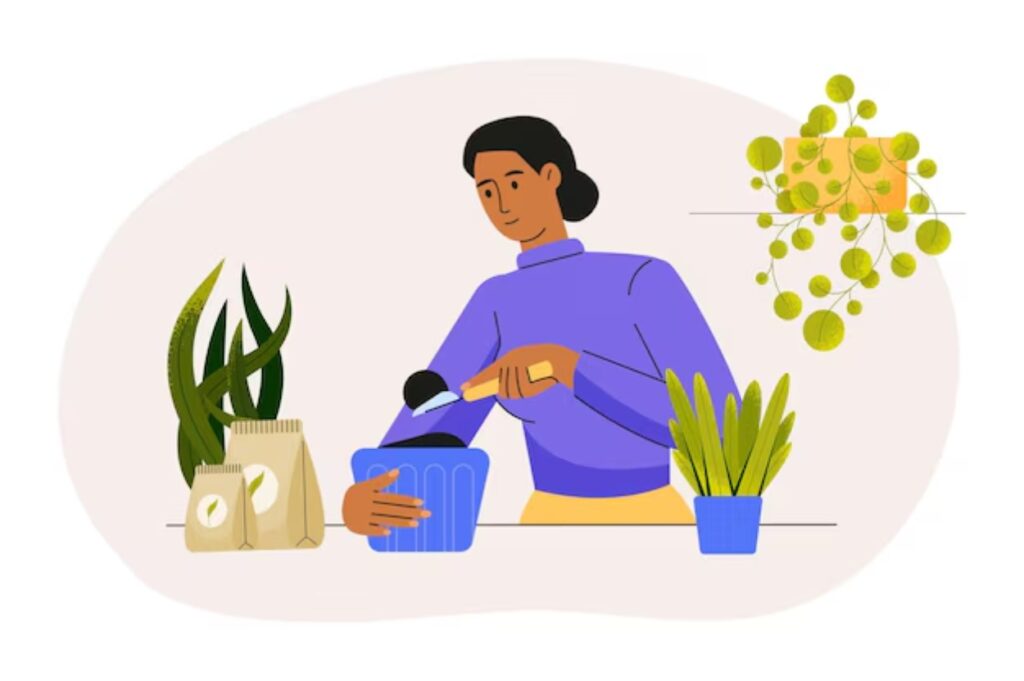
Houseplants can bring life, colour, and a sense of calm to any home. However, even the most enthusiastic plant owner can face issues such as yellowing leaves, wilting, or stunted growth. Understanding the needs of your plants and providing consistent care is essential to keeping them healthy and vibrant.
Guides offers practical advice for caring for houseplants, preventing common problems, and creating an environment where your indoor plants can thrive.
Understand Your Plant’s Needs

Each type of houseplant has unique requirements. Knowing what your plants need in terms of light, water, and temperature is the first step in preventing problems.
Plant care tips
• Identify the species of your houseplants and research their preferred conditions
• Check if your plant thrives in bright indirect light, low light, or direct sunlight
• Understand watering requirements – some plants need consistently moist soil, others prefer it to dry between watering
• Keep temperature stable and avoid placing plants near draughts or heating vents
Meeting your plant’s specific needs prevents stress and reduces the risk of yellowing leaves.
Water Correctly
Overwatering and underwatering are common causes of yellow leaves. Striking the right balance is key.
Watering tips
• Check soil moisture before watering by inserting your finger about an inch deep
• Water thoroughly, allowing excess to drain out of the pot
• Avoid leaving plants in standing water as this can cause root rot
• Adjust watering frequency according to season and plant type
Consistent and appropriate watering helps maintain healthy foliage and vibrant growth.
Ensure Proper Lighting
Light is essential for photosynthesis and overall plant health. Insufficient or excessive light can stress your houseplants.
Lighting tips
• Place plants according to their light needs, whether bright, moderate, or low light
• Rotate plants occasionally to ensure all sides receive light evenly
• Clean leaves gently to remove dust and improve light absorption
• Consider using grow lights for plants in darker rooms or during winter months
Correct lighting promotes strong stems, deep green leaves, and prevents yellowing.
Use Suitable Soil And Pots
The right soil and potting choices influence drainage and root health. Poor soil or inappropriate pots can cause stress.
Soil and pot tips
• Choose well draining potting mix suitable for your plant type
• Repot plants every one to two years or when roots become crowded
• Ensure pots have drainage holes to prevent waterlogging
• Avoid using garden soil, which may retain too much water indoors
Healthy roots lead to healthy leaves and reduce the risk of common problems.
Monitor Humidity And Temperature
Many houseplants thrive in humid environments. Low humidity or extreme temperatures can cause yellow leaves and leaf drop.
Humidity tips
• Use a humidifier or place a tray of water near plants to increase moisture in the air
• Group plants together to create a microclimate with higher humidity
• Avoid sudden temperature changes and keep plants away from cold draughts
• Recognise species that are sensitive to heat or cold and adjust placement
Maintaining the right environment prevents stress and keeps plants thriving.
Fertilise Appropriately
Nutrient deficiencies can manifest as yellowing leaves. Regular feeding helps maintain growth and leaf colour.
Fertiliser tips
• Use a balanced, water soluble fertiliser during the growing season
• Follow the recommended dosage to avoid overfertilising, which can damage roots
• Reduce feeding during the dormant season when plants grow more slowly
• Consider organic options like compost tea or diluted fish emulsion
Balanced nutrition supports vibrant foliage and strong roots.
Prevent And Treat Pests
Insects and pests can harm houseplants, causing yellow leaves and stunted growth. Regular inspection is important.
Pest management tips
• Inspect leaves and stems for signs of aphids, spider mites, or scale insects
• Wipe leaves with a damp cloth or use mild soapy water to remove pests
• Isolate affected plants to prevent spread to other indoor plants
• Introduce natural solutions like neem oil or insecticidal soap when necessary
Early detection and treatment keep plants healthy and prevent long term damage.
Maintain Good Air Circulation
Stagnant air can encourage fungal growth and disease. Proper ventilation supports plant health.
Air circulation tips
• Avoid overcrowding plants to allow airflow between them
• Open windows periodically to provide fresh air
• Use small fans in rooms with low air movement, but avoid direct drafts on plants
• Monitor leaves for signs of mildew or mould and act promptly
Good airflow reduces disease risk and promotes stronger, greener leaves.
Regular Maintenance And Observation
Routine care and observation help identify problems early.
Maintenance tips
• Remove dead or yellowing leaves promptly to prevent disease
• Prune leggy growth to encourage fuller plants
• Keep a journal to track watering, feeding, and growth patterns
• Observe seasonal changes and adjust care accordingly
Consistent attention ensures plants remain healthy and attractive year round.
Choose Suitable Houseplants For Beginners
If you are new to indoor gardening, selecting resilient and low maintenance plants reduces common problems.
Beginner friendly plants
• Spider plants tolerate various light levels and occasional neglect
• Pothos and philodendrons grow quickly and recover easily from stress
• Snake plants require minimal watering and adapt to low light
• ZZ plants thrive in indoor conditions and need very little attention
Starting with hardy plants builds confidence and helps you develop care routines.
Final Thoughts
Caring for houseplants and preventing yellowing leaves is achievable with mindful attention to their needs. Proper watering, adequate light, suitable soil, and attention to humidity and temperature are all key factors. Regular maintenance, fertilising, and pest monitoring support healthy growth and vibrant foliage.
By understanding your plant’s requirements and observing them closely, you can maintain a thriving indoor garden that brings beauty, calm, and freshness to your home. With simple routines and consistent care, your houseplants can flourish for years to come.