


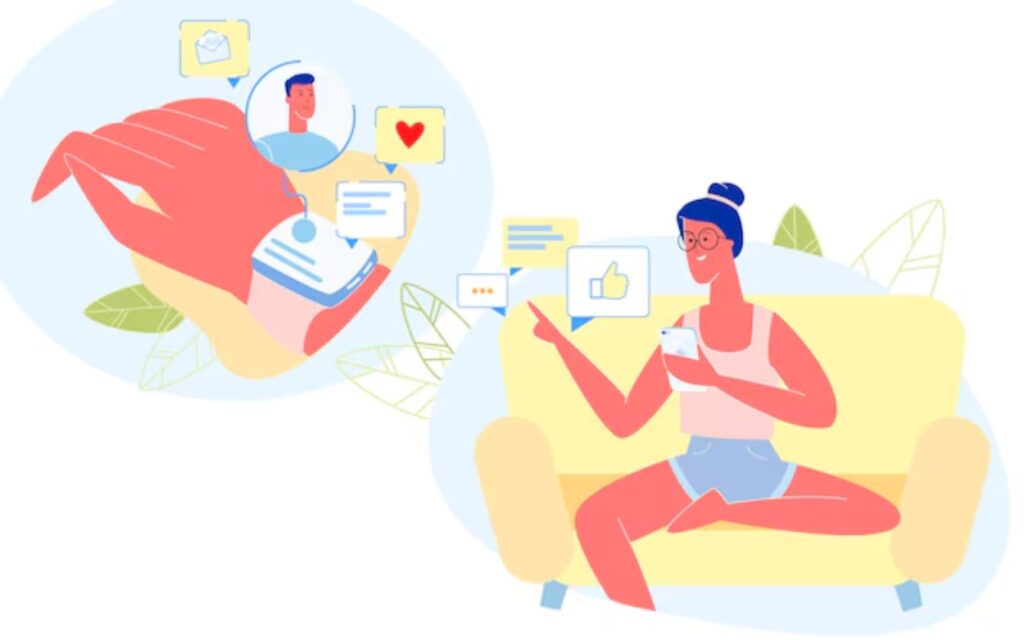
Technology has become part of almost everything we do. We use it to work, learn, shop, relax and stay in touch with people. Although it brings comfort to daily life, it also creates pressure without us noticing. Constant alerts, endless scrolling and the habit of checking our phones every few minutes slowly affect our mood and energy. Many people now feel mentally drained, distracted or unable to switch off in the evening.
A calmer lifestyle is still possible, but it starts with understanding how technology affects us. This article offers simple habits that help you build a healthier relationship with your digital tools without giving them up completely. These ideas work well for people who want more balance, better focus and a peaceful mind.
Understand the signs of unhealthy tech use
Many people do not realise that their technology habits are affecting them until they feel overwhelmed. Some common signs include repeated phone checking, staring at screens late at night, losing track of time on social platforms or feeling anxious when the phone is not nearby. These habits slowly raise stress levels and reduce attention span.
A simple way to notice the issue is by observing your daily routines. Ask yourself if you often pick up your phone without a clear reason or if your screen use interrupts real conversations. Becoming aware of these patterns is the first step to fixing them.
Create clear screen time boundaries
Setting limits helps you protect your mental space. It does not mean cutting off every digital activity. It only means deciding when and how you want to use technology so that it supports your wellbeing rather than controls it.
Try these habits:
• Keep your phone out of reach during meals
• Switch off notifications for apps that are not important
• Decide a clear time in the evening when you stop using screens
• Keep one hour every morning without any digital activity
These small changes can make your daily routine feel calmer and more manageable.
Build a calming evening routine without screens
Using screens late at night makes it harder for your brain to slow down. The bright light from screens interrupts the natural sleep rhythm, which affects the quality of rest. A healthier bedtime routine helps you feel more relaxed and improves your focus the next day.
Good alternatives include reading a book, stretching, journalling or listening to soft music. Even ten minutes of quiet time can help your mind settle after a busy day.
Turn off unnecessary alerts
Most stress caused by technology comes from constant alerts. Each sound pulls your attention away from what you are doing. The more interruptions you face during the day, the more tired your mind becomes. Not every notification deserves the same level of attention, and learning to separate essential alerts from routine distractions can make digital life feel much less overwhelming. Messages related to account security, device protection or important system updates often serve a practical purpose, while promotional notifications and constant app reminders can usually be reduced or disabled. Taking a few minutes to review which alerts truly matter allows you to stay informed without creating unnecessary interruptions. If you are looking for additional examples of how people organize essential notifications, check this as one possible reference while reviewing your own notification settings.
Go through your apps and turn off alerts that you do not need. Only keep calls or messages that matter for work or family. This simple step gives you more mental space and reduces the urge to check your phone every few minutes.
Use social platforms with intention

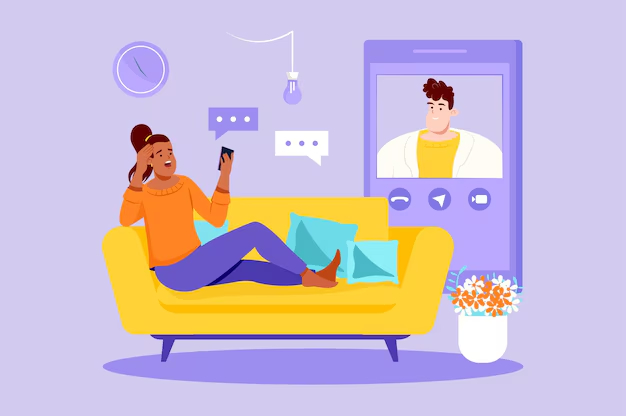
Social platforms are designed to keep you scrolling even when you planned to stop. Without intention, it is easy to compare your life with others or feel drained by negative news.
A healthier way to use these platforms is by asking yourself what you want from them. Do you want to learn something, connect with friends or simply relax for a short time? Once you know the purpose, the time you spend online feels more controlled.
It also helps to follow people who inspire you and mute accounts that add stress or pressure.
Create tech free zones in your home
Your home should feel like a place where you can rest. Setting areas where you do not use any screens helps create that peaceful feeling. Good places for this include your dining table, your bedroom and any relaxing corners you have created.
When these areas stay digital free, your mind learns to switch off more easily. It also improves connection with family members because you are more present in the moment.
Practice mindful tech use
Mindfulness simply means paying attention to what you are doing instead of acting on automatic habits. It can be used with technology too.
The next time you reach for your phone, pause for a few seconds and ask yourself why. Are you bored, stressed or avoiding something? This small pause helps you break the cycle of picking up the phone without a purpose.
Another helpful practice is taking short breaks during long hours of screen work. Stand up, stretch your body or take a few slow breaths. These breaks help reduce eye strain and mental fatigue.
Replace digital habits with calming activities
If your mind instantly turns to screens when you feel bored, try replacing that habit with something calming. For example:
• A short walk
• A cup of tea
• Watering plants
• Light cleaning
• A creative task like drawing or writing
These activities build a more peaceful rhythm to your day and reduce the feeling of rushing from one digital task to the next.
Limit device use during social moments
Real conversations play a major role in emotional health. When devices interrupt these moments, the connection becomes weaker. Try keeping your phone away when you are with friends or family. It helps you enjoy the moment more fully and strengthens your relationships.
People usually appreciate this effort, and it often encourages others to do the same.
Give yourself full offline time each week
One of the most effective habits for a calmer lifestyle is giving yourself planned offline time. It could be a few hours on a Sunday morning, an evening walk, or a whole afternoon without screens. These moments allow your mind to reset.
Many people notice that they feel more creative, focused and positive after spending time offline. It also helps reduce digital stress and makes technology feel like a tool rather than a constant demand.
Final thoughts
A healthier relationship with technology is not about rejecting it. It is about using it in a way that supports your wellbeing. Small changes can make a big difference. When you create boundaries, use devices with intention and make space for calm moments in your day, you start to enjoy a more balanced and peaceful lifestyle.