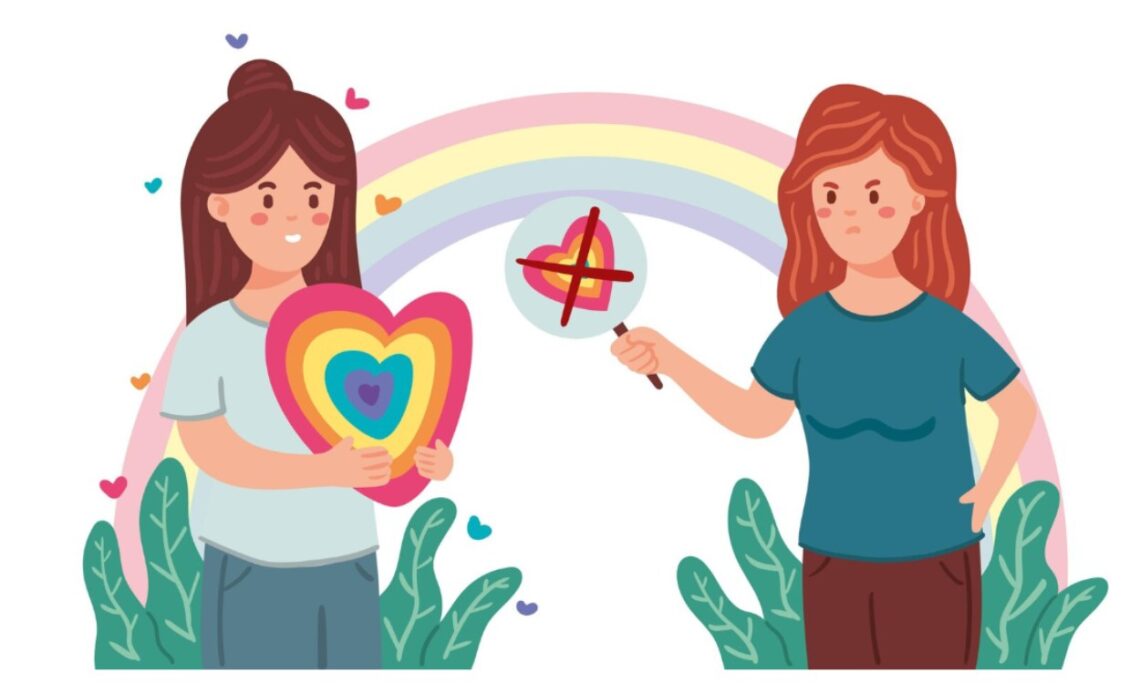
Teen relationships shape their communication skills and self-image during adolescence. As teens develop their identity, friendships and romantic relationships may influence how they view themselves and others. Parents may seek teen relationship advice to help teens recognize healthy interactions and build self-respect. Here are a few ways positive self-esteem can be encouraged in teen relationships:
Notice Respectful Behaviors
Positive signs of respect include feeling listened to without being teased, dismissed, or pressured. This can be especially important for teens who feel self-conscious about visible physical differences. Healthy connections create space for friends and hobbies, support personal growth, and, when combined with supportive treatment, strengthen self-esteem by allowing a person to maintain a clear sense of self. After conversations, a person may have more space to pursue personal interests.
Mutual respect means each person values the other’s opinions, limits, and beliefs. Maintaining dignity and respect in relationships includes listening and understanding emotional limits. Seeing the green flags helps teens identify supportive patterns in dating relationships. When young people recognize these behaviors, they gain clearer expectations for current and future connections.
Practice Clear Boundaries
Clear boundaries define what is safe within a dating relationship. When a teen says replies may take time, communication expectations become more realistic. Private account access supports self-respect, and it protects personal space. Keeping photos, passwords, or private topics off limits also reinforces personal control.
Brief boundary statements show that normal needs do not require long explanations. As patterns repeat over time, it becomes easier to see whether limits are respected. Pressure to surrender privacy or change clear limits signals disrespect. Distance from that pressure can protect self-respect and reinforce healthier expectations.
Use Supportive Communication
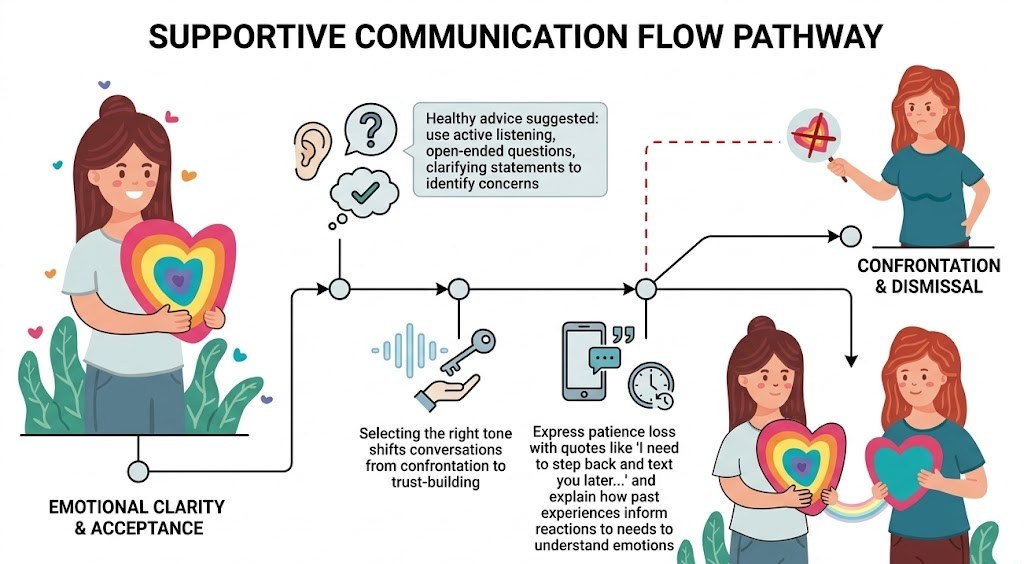
Healthy communication blog posts and teen relationship advice explain that active listening, open-ended questions, and clarifying statements help identify concerns that emotional reactions might otherwise overshadow. Selecting the right tone of voice in emotional situations shifts conversations from confrontation to ones with trust built in.
When teens realize they are losing patience, expressing it with a comment like “I need to step back and text you later when I’m calmer” can guide conversations from confrontation back toward clear communication of needs. Reminding teens that they can calmly explain how past experiences inform their reactions allows them to understand emotions rather than ignore or dismiss them.
Seek Adult Support
Trusted adults can help teens build self-respect and communicate more clearly in dating relationships. Adult support may include information, perspective, and access to additional resources. Green flags include resources for adults supporting teens with relationship questions and concerns. These resources help adults respond to concerns with clearer information and support options. Additional support is available through community and crisis resources. Call, text, and chat options are available for relationship questions and red flag concerns.
Get Teen Relationship Advice
Feedback that communicates clear boundaries and guides teens on how to improve their relationships helps skills develop over time. Teens use guidance in real peer scenarios, gaining insights for growth through advice on teen relationships. Parents reinforce positive behaviors by recognizing healthy choices or respectful conflict resolution. Focused relationship coaching can help teens and parents strengthen positive qualities in relationships. Contact professionals to learn more about available support options.
Final Thoughts
Encouraging positive self-esteem in teen relationships is about more than avoiding negative experiences. It’s about helping young people build confidence, recognise their worth, and understand what healthy connections look like.
By teaching respect, boundaries, and communication, and by offering consistent support, teens gain the skills they need to form meaningful and balanced relationships. These early lessons not only shape their current experiences but also lay the foundation for healthier, more fulfilling connections in adulthood.