



Many people look at food only as something that fills hunger. But what you eat influences every part of your daily life. It affects how you think feel and function. Your food choices shape your mood your energy and the stability of your long term lifestyle. When you understand how food interacts with your body and mind it becomes easier to build habits that support a calmer happier and more balanced life.
This can explains how food affects your mood what changes you can make in your routine and how you can build a lifestyle that feels steady and healthy without following strict rules or complicated plans.
Link Between Food And Mood Is Real
Food does not just influence your body. It influences your mind too. What you eat affects your brain chemistry your hormones and the balance of good bacteria in your gut. All these areas play a major role in your mood.
When you eat foods that support your brain and body you feel more stable throughout the day. Positive changes show up slowly but they stay with you for a long time. On the other hand when your diet is unbalanced it becomes harder to focus think clearly and manage stress.
Many UK nutrition experts mention that small changes in eating habits can help improve daily emotional stability. You do not need extreme diets. You need steady choices that support your lifestyle.
How Poor Food Choices Affect Your Mood
It becomes difficult to feel your best when your diet does not support your body. Some common patterns can make your mood unstable.
| Symptom / Effect | Dietary Cause / Explanation |
|---|---|
| Low mood during the afternoon | Foods high in sugar can give a short burst of energy but usually lead to a sudden drop, causing tiredness, irritability, and difficulty focusing. |
| Slow thinking | Meals low in protein or healthy fats mean the brain doesn’t get the nutrients it needs to stay sharp. |
| Increased stress levels | Highly processed foods can negatively affect gut health, which sends stress signals to the brain. |
| Poor sleep | Caffeine-containing drinks consumed too late can make sleep shallow, affecting mood the next day. |
Once you understand the patterns it becomes easier to choose foods that support better emotional health.
Foods That Improve Mood And Daily Stability

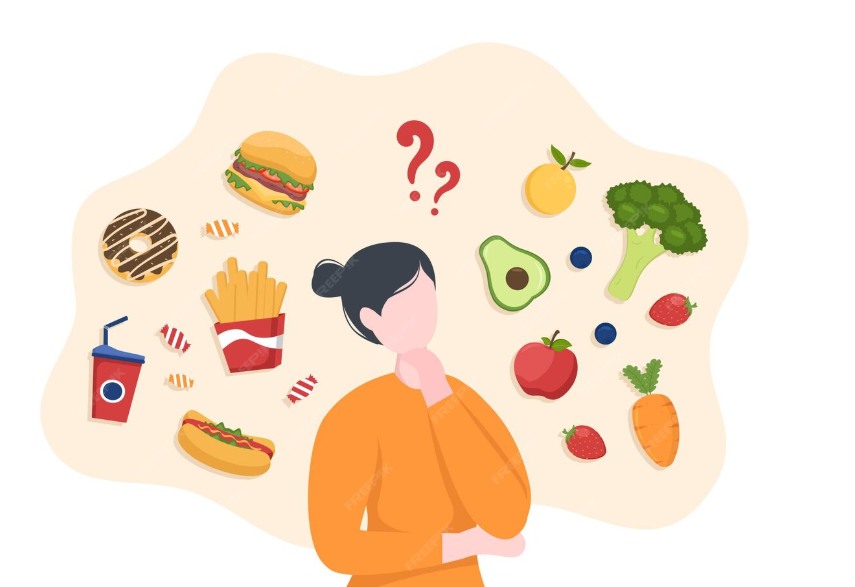
The good news is that you do not need complicated recipes or expensive ingredients. Simple daily choices are enough to improve your mood.
| Food Type / Benefit | Examples | How It Helps |
|---|---|---|
| Foods rich in Omega-3 fats | Salmon, sardines, mackerel, nuts, seeds | Support brain health |
| Fruits and vegetables with strong colours | Berries, leafy greens, carrots, peppers | Contain nutrients that reduce stress and protect the brain |
| Protein-rich foods | Eggs, beans, yoghurt, chicken | Stabilise energy and provide building blocks for the brain to maintain mood |
| Foods with natural fibre | Whole oats, brown rice, apples, bananas, lentils | Improve gut health, which affects mood |
| Fermented foods | Yoghurt, kefir, other fermented items | Improve gut bacteria, supporting better mood control |
Adding these foods does not require major effort. You can include them slowly in your routine and still notice real improvement.
How Daily Eating Habits Shape Long Term Lifestyle Stability
Your relationship with food affects more than your mood. It shapes your long term lifestyle. When your eating habits are balanced you become more consistent in other areas of your life as well.
Better emotional resilience
Stable blood sugar levels help you manage stress and sudden emotions more calmly. This makes it easier to handle daily pressure at work or home.
More reliable energy throughout the day
When your meals are balanced you avoid the constant cycle of energy spikes and crashes. This means you stay productive without feeling overwhelmed.
Improved sleep quality
Food choices influence sleep hormones. A calm digestive system helps you fall asleep faster and wake up more refreshed.
Greater motivation for personal growth
A stable mind helps you keep up with long term goals. Whether you want to learn new skills or improve your health your food choices support your progress.
Practical Tips To Build A Stable Eating Routine
The aim is to create a balanced lifestyle not a strict diet. Here are simple steps you can use.
| Habit / Strategy | Description / Benefit |
|---|---|
| Build balanced plates | Include protein, healthy fats, and fibre/whole grains at each meal to stay full longer and stabilise mood |
| Keep healthy snacks nearby | Have fruit, nuts, or yoghurt accessible to prevent impulsive eating |
| Drink enough water | Prevents irritability and tiredness caused by mild dehydration |
| Plan meals for busy days | Prepare simple meals in advance (e.g., whole grain toast with eggs) to maintain steady mood |
| Limit caffeine in the evening | Improves sleep quality, which positively affects mood the next day |
| Slow down while eating | Supports digestion and gut health, promoting a calmer mood |
| Notice food triggers | Observe which foods make you feel good or low to personalise your diet for better mood |
A Small Example Of A Mood Supporting Day Of Eating
This is a simple idea of what a day could look like.
| Meal | Example Food Choices | Key Benefits |
|---|---|---|
| Breakfast | Whole oats with berries and yoghurt | Fibre, protein, antioxidants; supports gut and brain health |
| Lunch | Grilled chicken with brown rice and vegetables | Protein and complex carbs; stabilises energy and mood |
| Snack | Banana or nuts | Natural fibre and healthy fats; maintains energy and mood |
| Dinner | Fish with potatoes and a salad | Omega-3 fats, fibre, vitamins; supports brain and gut health |
This is not a strict plan. It is only an example of how simple balanced meals can support mood and lifestyle stability.
Goal Is A Steady Lifestyle Not Perfection
Many people think healthy eating means strict rules or cutting out all favourite foods. But a sustainable lifestyle does not require perfection. It requires consistency and awareness.
A stable lifestyle comes from small food choices made every day. When your meals support your mood your life becomes easier to manage. You think more clearly you handle stress more calmly and you stay motivated for long term goals.
Food shapes your mood and your long term stability more than you realise. By making steady thoughtful choices you can build a lifestyle that feels balanced healthy and fulfilling for years to come.