Nobody really thinks about their home’s plumbing until something goes wrong. One minute, you’re getting on with your day, and the next, you’re standing in the kitchen wondering why there’s water spreading across the floor. It’s the kind of surprise every homeowner would happily do without.
While you can’t prevent every plumbing emergency, you can certainly reduce the chances of one happening. A little attention to your pipes, drains, and fixtures can save you a surprising amount of stress, not to mention the expense of dealing with water damage.
1. Don’t Ignore Those Little Leaks
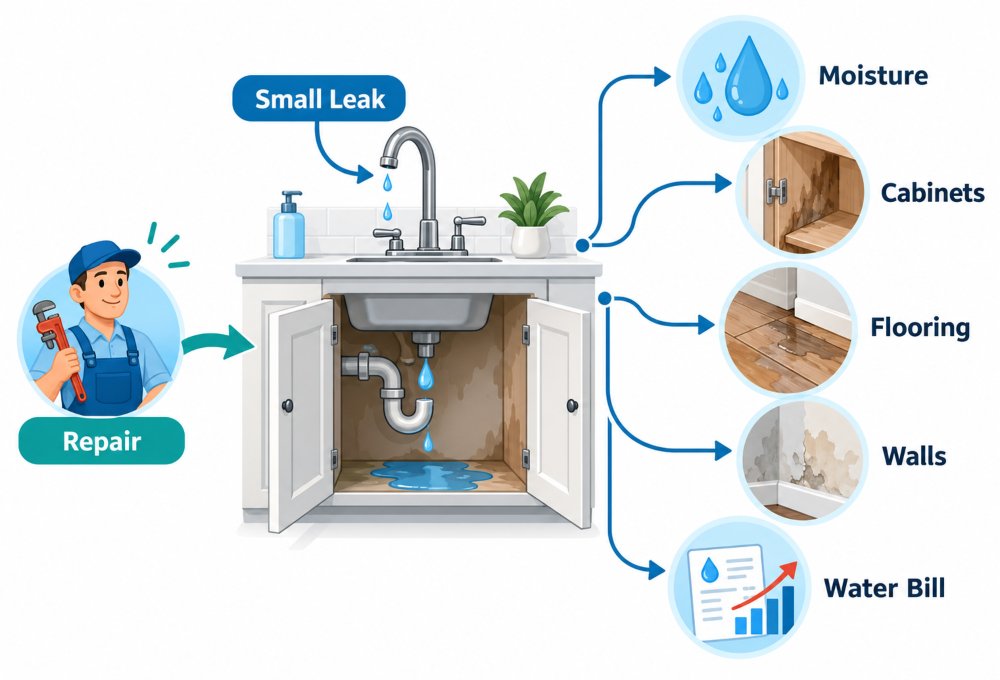
A dripping faucet or a small puddle beneath the sink might not seem particularly urgent. After all, it’s only a little water, right? Unfortunately, even minor leaks can cause problems when they’re left unattended. Why? Well, moisture can gradually damage cabinets, flooring, and walls, sometimes before you realize how far it’s spread. If you notice a persistent drip, damp patch, or unexplained increase in your water bill, it’s worth investigating. For homeowners in Idaho, experienced Meridian plumbers can help identify troublesome leaks and address underlying plumbing issues before they turn into bigger headaches.
2. Be Careful What Goes Down Your Drains
It’s surprisingly easy to develop bad habits around the kitchen sink. A little cooking grease here, a few food scraps there, and before long, your drains aren’t working quite as smoothly as they used to. Grease can solidify inside pipes, trapping other debris and eventually creating stubborn blockages. In the bathroom, hair, soap residue, and products that shouldn’t be flushed can cause similar trouble. Using drain strainers and disposing of grease in the trash are simple habits that can make a real difference.
3. Know Where Your Main Water Shutoff Valve Is
Imagine discovering a burst pipe and having absolutely no idea how to stop the water. It’s a stressful situation, especially when every passing minute means more water entering your home. That’s why it’s worth locating your main water shutoff valve before an emergency happens. Make sure it’s accessible, and that other household members know where to find it. You might never need to use it, but knowing what to do can prevent a bad situation from becoming considerably worse.
4. Protect Your Pipes During Cold Weather
Frozen pipes aren’t just inconvenient. When water freezes and expands inside a pipe, it can create enough pressure to cause a rupture. Insulating exposed pipes in garages, crawl spaces, and other unheated areas can help reduce this risk. During particularly cold weather, keeping your home adequately heated is equally important. A little preparation before winter arrives is much easier than dealing with a burst pipe afterward.
5. Pay Attention to Changes in Water Pressure
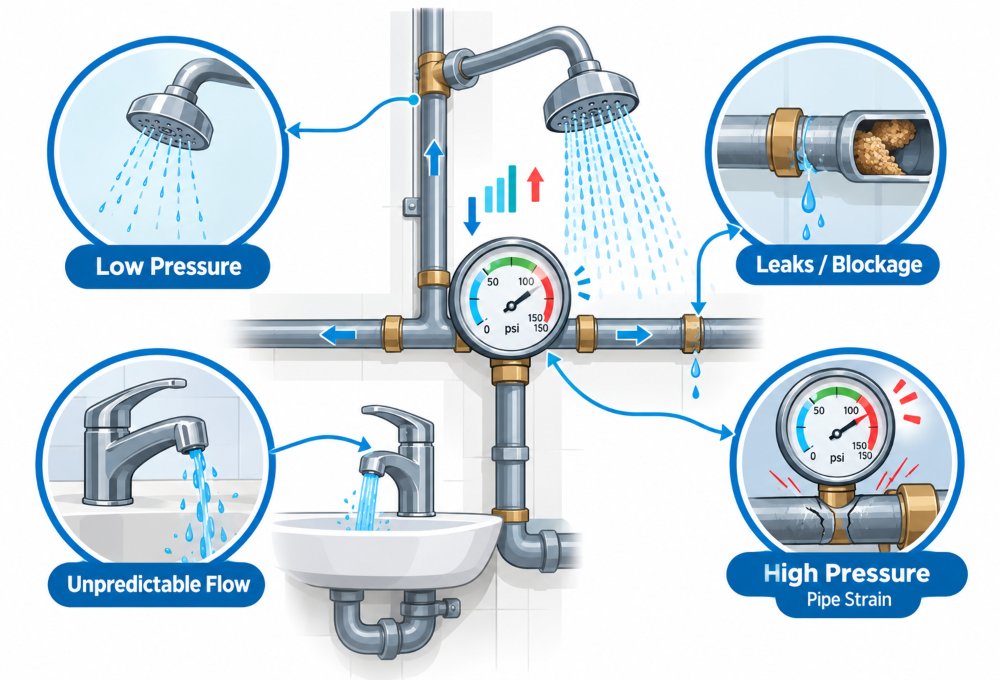
If your shower suddenly feels weaker than usual, or water starts flowing unpredictably from your faucets, don’t automatically dismiss it. Changes in water pressure can sometimes indicate leaks, blockages, or problems with your plumbing system. Excessively high pressure can also put unnecessary strain on pipes and fittings. Getting unusual changes checked early may help you avoid more serious damage later.
6. Make Plumbing Maintenance Part of Your Routine
Most of us remember to clean the gutters or check the smoke alarms, yet plumbing maintenance rarely makes the household to-do list. Taking a few minutes to inspect visible pipes, check beneath sinks, and look for signs of corrosion can help you catch developing problems. Periodic professional inspections are also worth considering, particularly in older homes.
Plumbing disasters have a habit of happening at the worst possible moment. Although there’s no way to guarantee you’ll never face one, staying alert to small warning signs and looking after your plumbing can make expensive emergencies much less likely. That’s a little peace of mind every homeowner can appreciate.